Jewelry Supply Chain Explained: From Mine to Market Process
Introduction
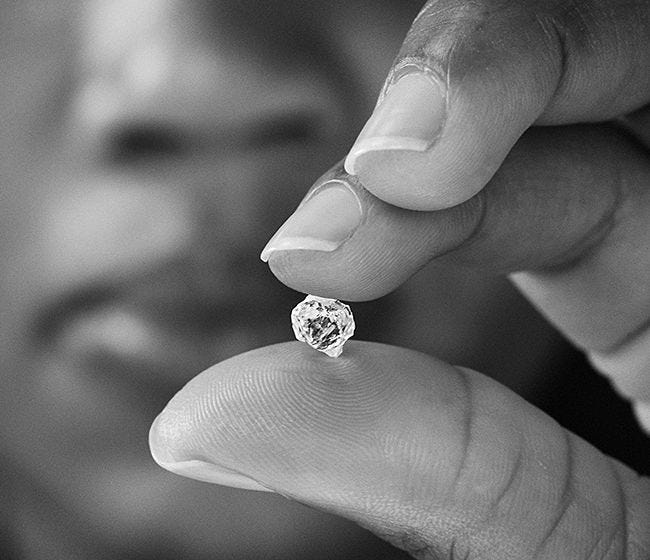
When you admire a sparkling diamond ring or a perfectly crafted gold necklace, what you see is only the final chapter of a much longer story. Behind every piece of jewelry lies a complex global journey, one that begins deep within the earth and travels across continents before reaching a retailer’s display.
The jewelry supply chain is not just about mining and selling. It’s an intricate ecosystem involving sourcing, certification, design, manufacturing, quality control, and global distribution. Each stage adds value, craftsmanship, and trust to the final product.
Whether you’re a jewelry enthusiast, retailer, or someone exploring wholesale jewelry manufacturing, understanding how this system works gives you a powerful advantage. In this guide, we break down the jewelry manufacturing process, uncover the diamond supply chain, and reveal how businesses profit at every stage.
Jewelry Supply Chain step by step explained
The jewelry supply chain can be divided into key stages:
- Raw material sourcing
- Diamond certification & grading
- Design & prototyping
- Manufacturing & production
- Quality control & hallmarking
- Wholesale distribution
- Retail sales
Each step involves specialized players from miners and designers to jewelry wholesalers and retailers working together to transform raw materials into luxury products.
Raw Material Sourcing (Gold, Diamonds, Gemstones)
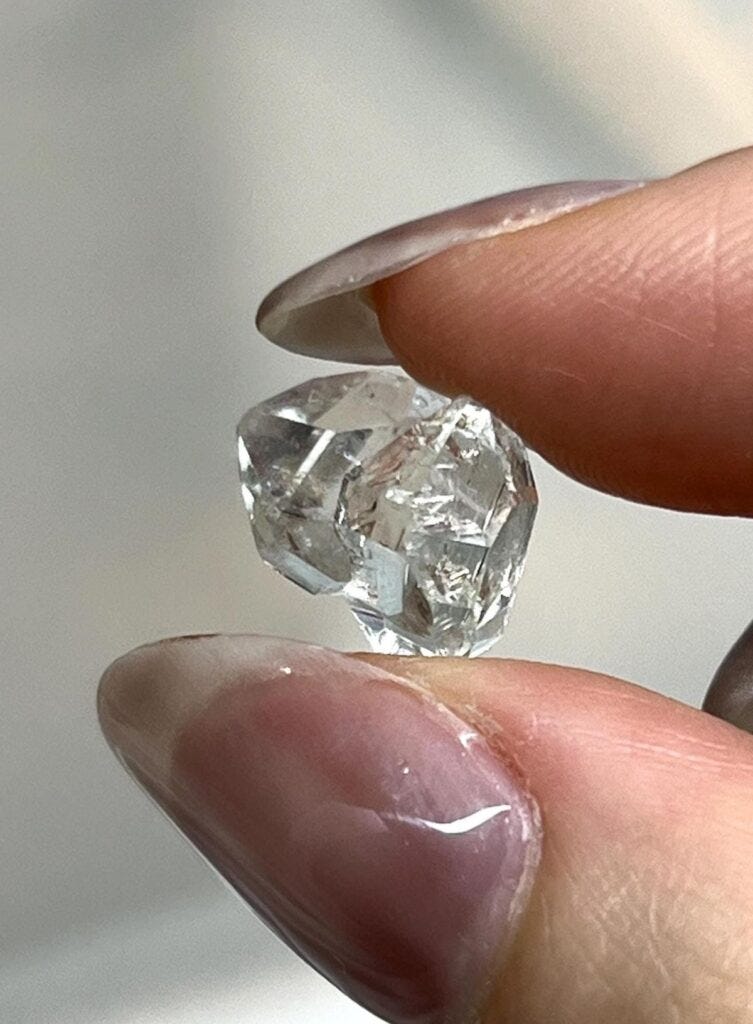
The journey begins at the source literally beneath the earth’s surface.
Gold Mining
Gold is extracted from mines located in countries like South Africa, Australia, and Russia. Once mined, it undergoes refining to remove impurities before being used in jewelry.
Diamond Supply Chain
Diamonds follow a slightly more complex path:
- Mining (natural diamonds) or lab creation
- Sorting and grading
- Cutting and polishing
- Distribution to manufacturers
The diamond supply chain is highly regulated to ensure ethical sourcing, especially with initiatives like the Kimberley Process.
Gemstone Sourcing
Colored gemstones like sapphires, emeralds, and rubies are sourced globally, often from regions known for specific stones.
At this stage, costs are relatively low compared to the final retail price, but the value begins to build from here.
Role of Certification Labs in the Jewelry Supply Chain
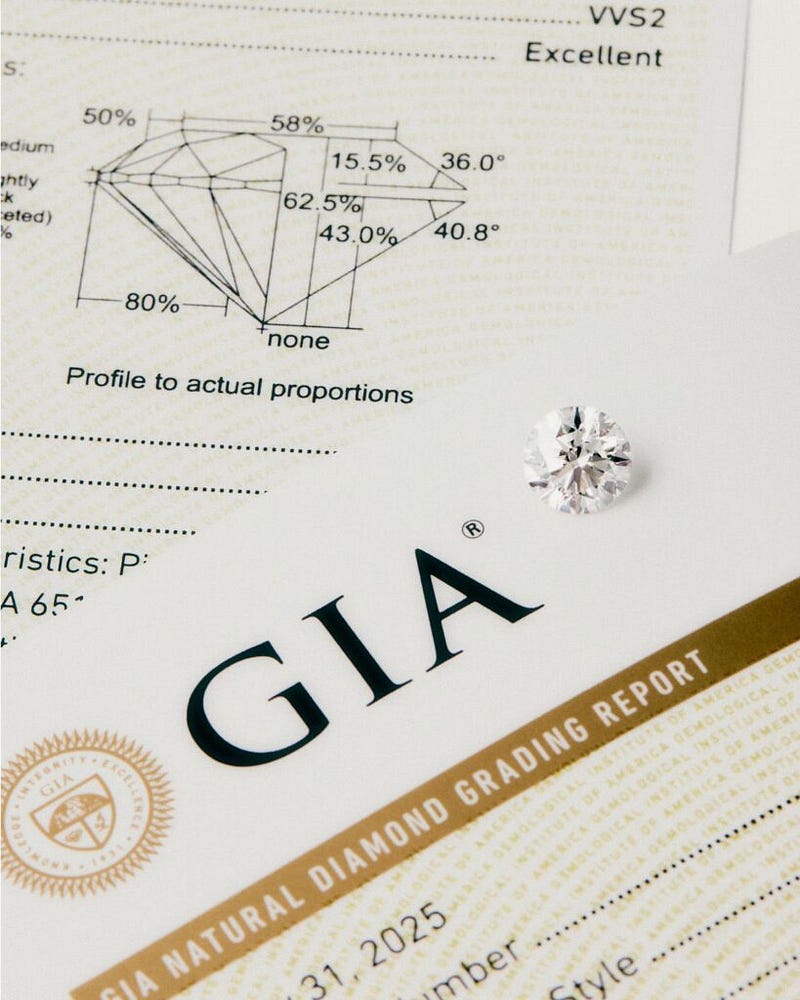
Before diamonds reach consumers, they are evaluated by certification labs to verify authenticity and quality.
Why Certification Matters
Certification ensures:
- Transparency
- Trust
- Accurate valuation
Major Certification Bodies
These labs grade diamonds based on the 4Cs:
- Cut
- Color
- Clarity
- Carat
For buyers and retailers, certified diamonds are easier to sell and command higher prices.
CAD Designing & Prototyping Stage

This is where creativity meets technology.
CAD (Computer-Aided Design)
Designers use CAD software to create precise digital models of jewelry pieces. This stage allows:
- Customization
- Accurate measurements
- Visualization before production
Prototyping
A wax or resin model is created to bring the design into physical form. This prototype is essential for:
- Testing design feasibility
- Making adjustments before final production
This stage is especially important in wholesale custom jewelry manufacturing, where clients demand unique designs.
Curious about how CAD plays a role in the jewelry manufacturing process?
Explore our full blog on custom jewelry manufacturing, timeline, and cost explained.
Custom Jewelry Manufacturing: Process, Timeline & Cost Explained.
Casting & Production Workflow
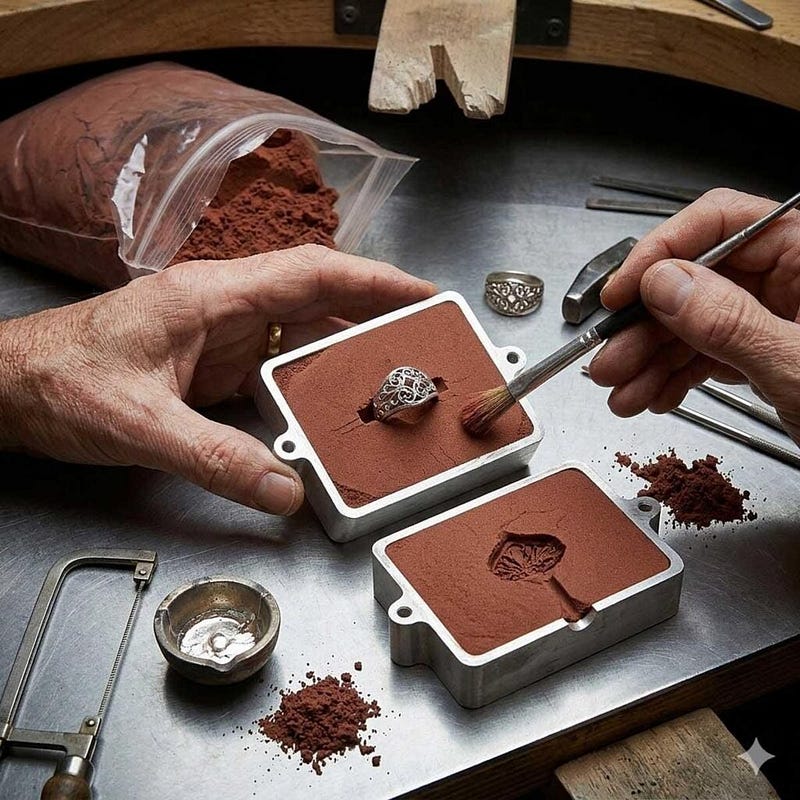
Once the design is finalized, the manufacturing process begins.
Casting
Molten metal (gold, silver, or platinum) is poured into molds created from prototypes.
Stone Setting
Gemstones and diamonds are carefully set into the metal using various techniques like prong, bezel, or pave settings.
Polishing & Finishing
The jewelry piece is polished to achieve its final shine and appearance.
This stage defines the craftsmanship and significantly impacts the product’s value.
Quality Control & Hallmarking
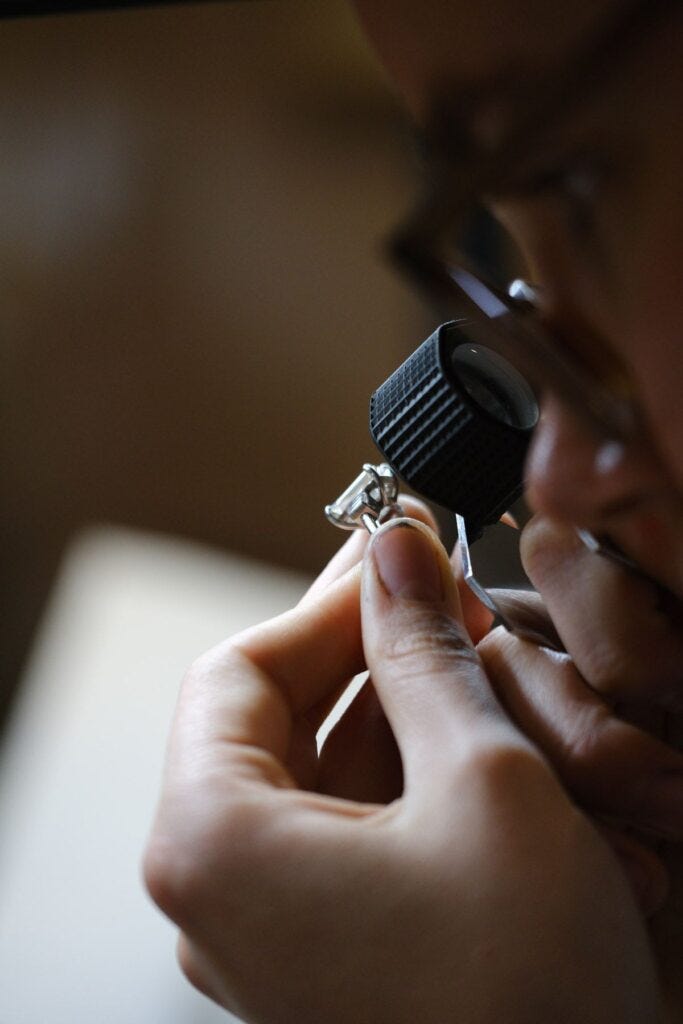
Before reaching the market, every piece undergoes strict quality checks.
Quality Control
Manufacturers inspect:
- Stone alignment
- Metal purity
- Structural integrity
Hallmarking
Hallmarking certifies the purity of precious metals like gold. For example:
- 24K (pure gold)
- 18K (75% gold)
Hallmarks build trust and are essential for both retailers and consumers.
Global Distribution & Wholesale Networks

Once production is complete, jewelry enters the global market.
Wholesale Jewelry Manufacturing
Manufacturers sell products in bulk to:
- Jewelry wholesalers
- Retail chains
- Online platforms
Role of Jewelry Wholesalers
Wholesalers act as intermediaries, connecting manufacturers with retailers. They:
- Purchase in bulk
- Offer competitive pricing
- Provide a wide variety of designs
Retailers
Retailers are the final step before the consumer. They:
- Market the jewelry
- Add branding and customer experience
- Sell at a markup
This stage is where branding and storytelling play a major role in influencing buying decisions.
Profit Margins In The Jewelry Supply Chain
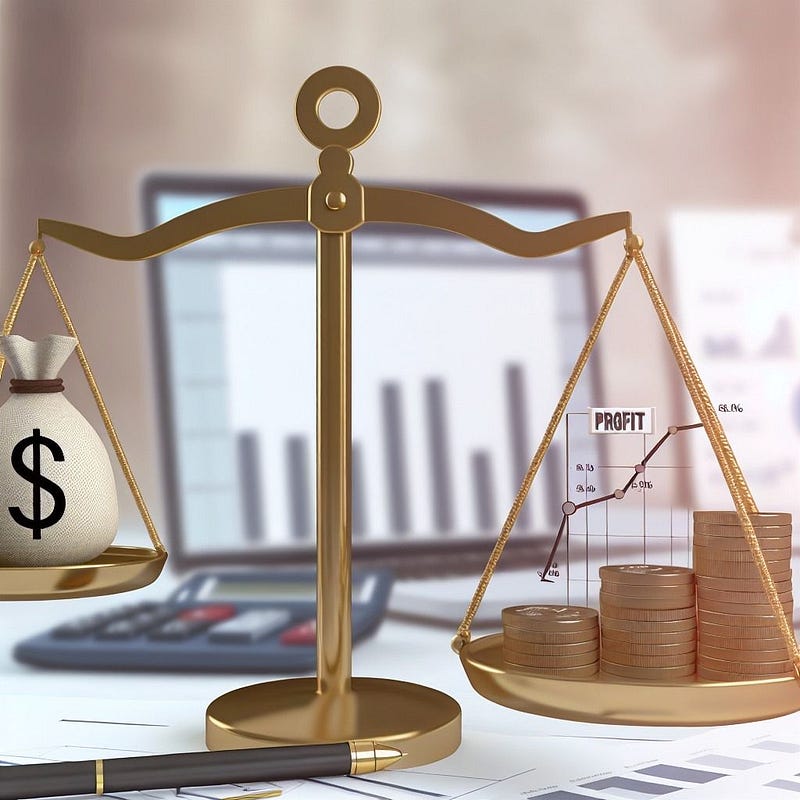
One of the most interesting aspects of the jewelry sourcing guide is understanding how profits are distributed.
Typical Margin Breakdown
- Mining Companies: Low margins, high volume
- Manufacturers: Moderate margins (10–30%)
- Wholesalers: Moderate margins (20–40%)
- Retailers: Highest margins (50–300% or more)
The biggest price jump happens at the retail level, where branding, marketing, and customer experience significantly increase value.
Challenges in the Jewelry Supply Chain
Despite its sophistication, the jewelry supply chain faces several challenges:
- Ethical sourcing concerns
- Price fluctuations in raw materials
- Counterfeit products
- Supply chain disruptions
Brands that maintain transparency and ethical practices gain more trust and long-term customer loyalty.
Future Trends in Jewelry Supply Chain
The industry is evolving rapidly with:
- Lab-grown diamonds gaining popularity
- Digital platforms transforming wholesale distribution
- Blockchain technology improving traceability
- Sustainable sourcing becoming a priority
These trends are reshaping how the jewelry supply chain operates globally.
Conclusion
The journey from mine to market is far more complex than it appears. Every piece of jewelry carries a story of craftsmanship, precision, and global collaboration.
Understanding the jewelry manufacturing process not only helps businesses make smarter decisions but also allows consumers to appreciate the true value behind what they wear.
Whether you’re exploring wholesale jewelry manufacturing or simply curious about how luxury pieces are made, knowing the supply chain gives you a deeper connection to the world of jewelry.
FAQs — Jewelry Supply Chain
1. What is the jewelry supply chain?
The jewelry supply chain refers to the entire process from sourcing raw materials to selling finished jewelry to consumers.
2. What are the stages of the jewelry manufacturing process?
It includes sourcing, certification, designing, casting, finishing, quality control, and distribution.
3. What is the diamond supply chain?
It involves mining, cutting, polishing, certification, and distribution of diamonds.
4. Why is certification important in jewelry?
Certification ensures authenticity, quality, and trust, especially for diamonds.
5. What is wholesale jewelry manufacturing?
It refers to producing jewelry in bulk and supplying it to wholesalers or retailers.
6. Who makes the most profit in the jewelry supply chain?
Retailers typically earn the highest margins due to branding and customer experience.
Blog References
- Industry reports on global jewelry supply chain
- Diamond certification standards (GIA & IGI)
- Jewelry manufacturing process insights from trade publications
- Market analysis reports on wholesale jewelry distribution


Comments
Post a Comment